
Brick Paver Repair: 7 Signs Your Patio or Driveway Needs Professional Help
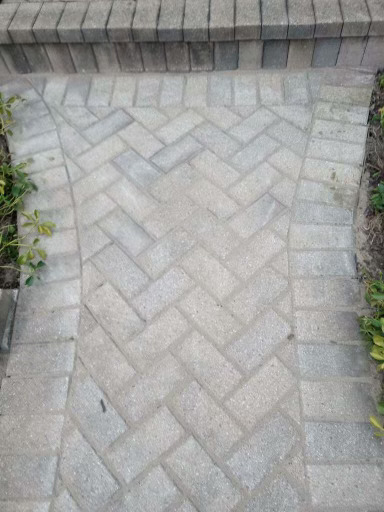
Your paver patio or driveway should look smooth, drain well, and feel solid underfoot. If you live in Aurora, IL, our freeze-and-thaw swings, road salt, and clay soils can wear pavers down faster than you think. When problems show up, the safest move is to schedule brick paver repair before small issues turn into big hazards.
This guide walks you through the most common red flags we see from Stonebridge and Oakhurst to the Near East Side and North Aurora. You’ll also learn how pros fix the root cause, when replacement makes sense, and how to choose a trustworthy team.
Why Pavers Fail Faster Around Aurora, IL
Aurora sits right where freeze-thaw cycles and lake-effect storms hit hard. Water sneaks between pavers, freezes, expands, and lifts edges. When it thaws, the voids settle. Repeat that a dozen times each winter and you get waves, gaps, and trip points.
Driveways take even more abuse. Heavy SUVs and delivery trucks press down on any weak spot. Road salt and de-icers wash joint sand away and invite water back in. In yards near the Fox River or in lower-lying areas like Eola, poor drainage can speed up the damage.
Seven Signs You Need Professional Brick Paver Repair In Aurora, IL
If you spot any of these warning signs, it’s time to call in experts before the pattern spreads or edges break.
1) Wavy or Sunken Areas
Uneven surfaces signal base problems, not just surface wear. When the base loses support, pavers settle irregularly and can create puddles or heel-catching ridges. Uneven pavers and ice are a bad mix that raises the risk of falls.
2) Puddles That Do Not Drain
Water pooling on your patio or driveway after a spring storm is a big red flag. It points to improper slope, clogged joints, or a compacted base that no longer moves water away. Standing water accelerates weed growth, joint erosion, and winter heave.
3) Loose or Rocking Pavers
If a paver shifts when you step on it, the joint sand or edging likely failed. Rocking pavers let more water and grit in, which widens the gaps and leads to cracking along edges. Left alone, this turns a small repair into a larger reset.
4) Chips, Cracks, or Heaved Edges
Edges take the brunt of snow shovels, plows, and tires. When the restraint weakens, edge pavers can creep outward and heave. Chips and cracks follow, especially at driveway aprons where vehicles turn in and out daily.
5) Open or Washed-Out Joints
Missing joint sand invites water below the surface and allows pavers to shift. You may notice fine sand collecting at low points after rain. Once joints open up, the failure speeds up with every storm or freeze.
6) Sand or Base Material Migrating
Look along the sides of patios, steps, or near downspouts. If you see streaks of sand or base rock in the mulch, the system is losing support. That usually means water is not being managed well around the hardscape.
7) Stains, Efflorescence, or Persistent Weed Growth
Surface stains and white haze (efflorescence) can be treated, but they also hint at moisture moving through the system. If weeds keep returning in the same gaps, joints may be too shallow, or the base is flexing more than it should. Persistent weeds in wide gaps usually mean movement below, not just a surface issue.
- If multiple spots show the same problem, the base likely needs attention, not a quick patch.
- Trouble near downspouts or slopes often points to drainage issues that must be corrected at the same time as the repair.
What A Professional Repair Includes
Good repair work fixes symptoms and the cause. A reputable crew will inspect the whole area, note drainage paths, and test the base in problem zones. The plan focuses on stabilizing the base, restoring slope, and locking joints to resist future movement.
While every project is different, a typical professional process includes:
- Careful lifting of affected pavers and sorting them for clean re-use.
- Rebuilding the base where needed, then compacting in thin, even lifts for strength.
- Resetting pavers to correct grade and slope so water flows away from the surface.
- Reinforcing edges and steps to prevent future creep and trip points.
- Refilling joints and compacting again so the surface interlocks properly.
Scope varies by size, age, soil, and season, so timelines differ across Aurora neighborhoods. If your patio or drive was originally built by a qualified paver installation team, repairs may be more straightforward because the base layers are consistent and predictable.
Repair Or Replace: How Pros Decide
Not every failing surface needs a full rebuild. If the pavers themselves are in good shape and the problem is limited to a few zones, targeted reset and base work usually solves it. When patterns are severely worn, the base is saturated everywhere, or the layout no longer meets your needs, replacement might be smarter.
Driveways that carry heavy vehicles or frequent delivery trucks see point loads that magnify weaknesses at edges, aprons, and tight turns. Patios near mature trees can shift as roots grow and draw moisture from the soil. In both cases, a local inspection helps weigh long-term performance against short-term fixes.
Local Factors That Influence Paver Problems
In Aurora, IL, our clay-rich soils hold water, then shrink when dry. That seasonal movement shows up as settling near downspouts, along pool decks, and beside raised stoops. Homes near the Fox Valley trail or in low-lying pockets may see more frequent puddling after storms.
Nearby communities like Naperville, IL, and Montgomery share similar soil and weather patterns. We often see identical issues in subdivisions with long driveway aprons and in patios built without adequate edge restraint. The earlier you tackle it, the less area we need to reopen and rebuild.
Safety, Comfort, And Curb Appeal
Beyond looks, safety matters. Raised edges catch shoes and snow shovels. Puddles turn to slick ice overnight, and loose steps can shift under weight. Fixing these hazards makes outdoor spaces more enjoyable and keeps foot traffic moving smoothly during winter.
Well-repaired pavers also boost curb appeal. A level, well-draining surface frames your landscape and keeps mulch, lawn, and hardscape cleanly separated. Sealers and sand systems can be discussed after the repair to help resist staining and joint washout, depending on traffic and exposure.
Common Myths About Brick Paver Repair
Myth: “If I just sweep more sand in, it will tighten everything up.” In reality, loose or hollow areas point to base problems that new sand alone cannot fix. Another myth says you must replace everything if a few spots sink, which is not always true when the rest of the base tests solid.
Good repair work is about diagnosis. We look at soil type, drainage paths, traffic patterns, and how the surface was originally built. That way, the fix lasts through Aurora winters instead of failing again next season.
How To Choose The Right Crew In Aurora, IL
Pick a team that understands our local soils, plowing habits, and snow-and-ice cycles. Look for a clear plan that addresses slope, base compaction, and edge restraint, not just cosmetic touch-ups. Ask about workmanship warranties and how they handle recurring drainage issues around downspouts and stoops.
- Ask for photos of similar repairs in Aurora or nearby neighborhoods.
- Request a written scope that explains base work, compaction steps, and edge restraint.
- Confirm the crew will protect adjacent lawns, plantings, and steps during the reset.
- Make sure cleanup and joint stabilization are included in the final steps.
Always verify proof of insurance and who will be on your site each day. A transparent plan and consistent crew protect your property and your schedule.
Care That Fits Aurora’s Seasons
After a professional repair, simple habits help keep the surface performing well. Brush off debris so joints do not clog, keep downspouts pointed away from the hardscape, and use a plastic-blade shovel for winter clearing. If heavy loads, like a moving truck, are expected, let your contractor know in advance so they can advise on best practices.
If you notice a small dip after a major thaw, take photos and measure the area with a straight edge. These details help a pro evaluate whether a minor touch-up or a deeper reset is needed. Addressing concerns early reduces how much of the surface that needs to be opened.
When To Call Mission Brick Paving
The best time to act is when you first notice movement, pooling, or gaps. Prompt attention keeps the fix focused and avoids opening large sections during peak season. Our team understands the neighborhoods and soils of Aurora and the surrounding suburbs, and we tailor the plan to your site.
Whether you are in Stonebridge, Hometown, or near the Route 59 corridor, we can evaluate the base, correct the slope, and reset the pattern so it looks and performs like it should. Clear communication, careful protection of your yard, and reliable follow-through are part of every project.
Talk To The Local Pros At Mission Brick Paving
See the first signs of settling or puddles? Schedule professional brick paver repair with Mission Brick Paving today to protect your patio or driveway before winter makes things worse. Call us at 630-226-5434 and get a no-pressure assessment from a local team that knows Aurora’s weather and soils.
Create Your Personal Sanctuary
With Mission Brick Paving In Aurora And Surrounding Areas